
Forgetting Negative Keywords
One of the most common Amazon PPC mistakes that sellers make is forgetting to utilise negative keywords effectively. Discover how to fix it.
Contents
Amazon Pay-Per-Click (PPC) advertising is a powerful tool for sellers looking to increase their visibility and sales on the platform. However, running a successful Amazon PPC campaign requires careful planning and execution. This guide explains why they matter and what happens when they are neglected.
What Are Negative Keywords?
Negative keywords are words or phrases that you exclude from your Amazon sponsored product campaigns to prevent your ads from showing up for irrelevant search queries. By adding negative keywords, you tell Amazon not to display your ads when a user’s search term contains those specific keywords.
Importance of Negative Keywords
Incorporating negative keywords into your Amazon PPC strategy is crucial for several reasons:
- Improving Ad Relevance and Targeting : By excluding irrelevant search terms, negative keywords help you focus your ad spend on keywords that are more likely to convert into sales. This leads to better targeting and increased ad relevance.
- Reducing Wasted Ad Spend : Without negative keywords, your ads may appear for searches that are not related to your products. This can result in clicks from users who are unlikely to make a purchase, leading to wasted ad spend.
- Enhancing Overall Campaign Performance : By optimising your campaigns with negative keywords, you can improve key metrics such as click-through rate (CTR), conversion rate, and ACoS (Advertising Cost of Sale).
Common Mistakes Related to Negative Keywords
- Not Conducting Proper Negative Keyword Research : One of the most common pitfalls is failing to conduct thorough keyword research to identify potential negative keywords. It’s essential to use tools and methods like the Amazon Search Term Report and competitor analysis to discover irrelevant keywords that should be excluded from your campaigns.
- Ignoring Long-Tail Negative Keywords : While short-tail keywords are important, neglecting long-tail negative keywords can be a costly mistake. Long-tail keywords are more specific and often have lower competition, making them valuable for refining your targeting.
- Not Regularly Updating Negative Keywords : Amazon PPC is a dynamic process, and your keyword strategy should be dynamic as well. Failing to regularly review and update your negative keyword list can lead to missed opportunities and wasted ad spend. Make it a habit to analyse your search term reports and adjust your negative keywords accordingly.
- Overlooking Seasonal and Trending Negative Keywords : Seasonal trends and current market conditions can impact the relevance of certain keywords. Neglecting to adapt your negative keyword list to these changes can result in your ads showing up for irrelevant searches. Stay proactive by monitoring seasonal and trending keywords and updating your negative keyword list accordingly.
Consequences of Forgetting Negative Keywords
| Issue | Impact |
|---|---|
| Increased Advertising Costs | When relevant negative keywords are not |
| included, ads may appear for unrelated searches, leading to clicks from users | |
| unlikely to convert, resulting in higher advertising costs without a | |
| corresponding increase in sales | |
| Lower Conversion Rates | Attracting irrelevant traffic to product listings |
| can significantly impact conversion rates, as users who find products don’t | |
| match their search intent are less likely to make a purchase. Using negative | |
| keywords can ensure ads are shown to a more targeted audience, leading to | |
| higher conversion rates | |
| Poor Campaign Performance | Neglecting negative keywords can impact key |
| metrics such as click-through rate (CTR), conversion rate, and ACoS, leading | |
| to a lower return on investment (ROI) and hindering the success of Amazon PPC | |
| efforts |
Best Practices for Managing Negative Keywords
- Regular Negative Keyword Audits : Conduct regular audits of your negative keyword list to ensure its effectiveness. Use tools like the Amazon Search Term Report to identify irrelevant search terms and add them as negative keywords. Set a schedule for these audits and stick to it.
- Segmenting Campaigns and Ad Groups : Organise your campaigns and ad groups in a way that allows for better management of negative keywords. By segmenting your products or keywords into different ad groups or campaigns, you can apply negative keywords more precisely and effectively.
- Analysing Search Term Reports : Regularly review your search term reports to gain insights into the actual search queries that are triggering your ads. Look for irrelevant or non-converting search terms and add them as negative keywords to refine your targeting.
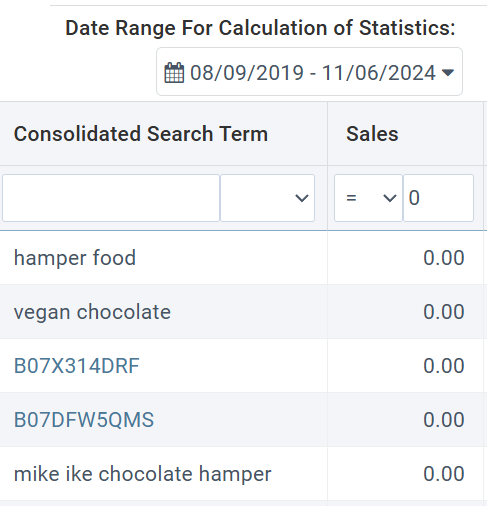
- Using AdRazor for Negative Keywords : AdRazor lets you filter your search term history in seconds to find the terms that cost you money without generating sales – your top candidates for negative keywords, both for current campaigns and for the list to reuse when launching new automatic-targeting, broad-match or phrase-match campaigns and ad groups.
How to Make Negative Keyword Management a Habit
- Creating a Negative Keyword List Before Launch : Before launching your Amazon PPC campaigns, take the time to create an initial list of negative keywords. This pre-launch preparation can help you start off on the right foot and avoid wasting ad spend on irrelevant searches from the get-go.
- Setting Regular Review Schedules : Establish a routine for reviewing and updating your negative keyword list. Determine a frequency that works for your business, whether it’s weekly, bi-weekly, or monthly. Stick to this schedule to ensure that your negative keywords remain up to date and effective.
- Incorporating Feedback from Campaign Performance : Use the data and insights from your campaign performance to continuously refine your negative keyword list. Look for keywords that are driving clicks but not resulting in sales, and consider adding them as negative keywords. Regularly analyse your ACoS and other key metrics to identify areas for improvement.
Negative keywords are a crucial component of a successful Amazon PPC strategy. By avoiding common mistakes like forgetting to conduct proper research, ignoring long-tail keywords, not regularly updating your list, and overlooking seasonal trends, you can optimise your campaigns for better performance. Remember to audit your negative keywords regularly, segment your campaigns, and analyse your search term reports.
By proactively managing and optimising your negative keywords, you can minimise wasted ad spend, improve your targeting, and ultimately achieve better results from your Amazon PPC efforts.